How should I choose between CBD topical 5000mg creams, oils or tinctures?
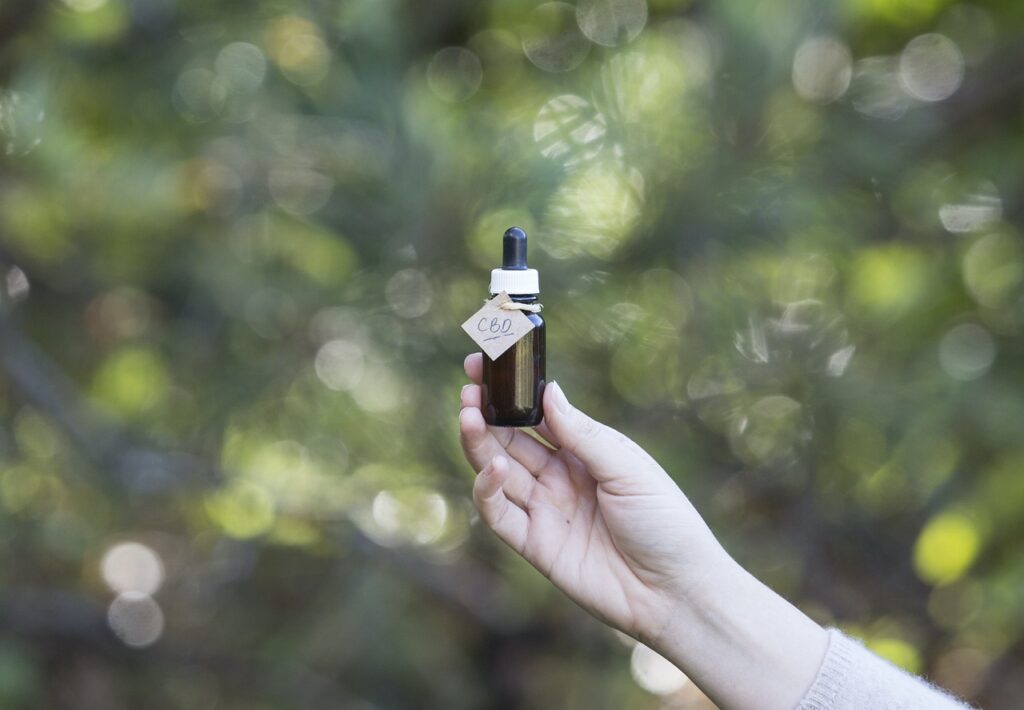
As interest in cannabis-derived compounds grows, two cannabinoids, CBD (cannabidiol) and CBG (cannabigerol), are noted for their distinct benefits and uses. While they have some similarities, understanding their differences and potential effects is important for making informed choices. This article covers what CBD and CBG are, the different types of products available, and considerations for choosing the right option for your needs. We will look into their benefits, possible side effects, and the importance of consulting a healthcare professional to ensure safe usage.
Understanding CBD and CBG
Understanding CBD and CBG is important because these two cannabinoids from hemp are becoming popular in the wellness industry.
Both interact with the endocannabinoid system, which helps maintain balance in the body. They offer various benefits, such as pain relief, reducing inflammation, and managing anxiety.
As more people look for natural remedies, knowing the differences and uses of CBD and CBG can help make informed health and wellness decisions.
What Are CBD and CBG?
CBD (cannabidiol) and CBG (cannabigerol) are two key cannabinoids in the hemp plant, each with unique properties and benefits. CBD is known for promoting relaxation without the psychoactive effects of THC, while CBG is called the ‘mother cannabinoid’ because it helps produce other cannabinoids. Both can be extracted in different ways to create full-spectrum, broad-spectrum, or isolate products suitable for various preferences.
These cannabinoids have distinct chemical compositions: CBD’s formula is C21H30O2, and CBG’s is C21H32O2, showing slight structural differences. Common extraction methods include CO2 extraction for purity and retained beneficial compounds, and ethanol extraction for efficiency.
Consumers can choose from various products such as oils, capsules, topicals, and edibles, which may include:
- Full-spectrum formulations that contain all cannabinoids
- Broad-spectrum options that exclude THC
- Isolates that offer pure CBD or CBG
This range of products allows individuals to customize their cannabinoid use to meet specific health and wellness needs.
What Are the Differences Between CBD and CBG?
CBD and CBG differ in both their chemical structure and their effects on the body. Both interact with the endocannabinoid system, but research shows CBG may offer stronger anti-inflammatory and neuroprotective benefits, making it potentially useful for managing chronic conditions. On the other hand, CBD is known for relieving anxiety, promoting sleep, and easing pain.
These differences are important for those looking for alternative treatments for conditions like arthritis or neurological disorders, where inflammation is a key factor.
Although both compounds do not cause intoxication and are generally well-tolerated, CBG is being studied for its potential to increase appetite, which could help patients undergoing hunger-suppressing treatments.
Meanwhile, CBD’s ability to manage stress has made it popular in wellness products aimed at improving mental health and enhancing sleep. Ongoing research into these cannabinoids continues to reveal their unique therapeutic potentials and how they might work together in comprehensive treatments.
Forms of 5000mg CBD and 500mg CBG Products
5000mg CBD and CBG products are available in various forms to meet different consumer preferences and effects. The most common types are oils, tinctures, and topicals, each suited for specific use.
Oils and tinctures are usually taken under the tongue for high absorption, while topicals like 5000mg CBD cream are applied directly to the skin for targeted relief from pain and inflammation.
Knowing about these product types helps consumers select the best option for their wellness needs.
What Are the Different Forms of CBD and CBG Products?
Different types of CBD and CBG products meet various consumer needs, including oils, tinctures, capsules, topicals, edibles, and vaping options.
Oils and tinctures offer flexible use and easy dosage adjustments. Capsules are convenient for those who want a pre-measured dose, while topicals like balms and creams target specific areas for localized relief.
Edibles, such as gummies and chocolates, provide a tasty alternative for those who prefer not to use traditional forms. Vaping allows for quick absorption into the bloodstream, leading to faster effects.
It’s important to consider product quality, as the purity and source of CBD and CBG affect their effectiveness. Choosing third-party tested products ensures accurate potency and safety, improving the overall user experience.
What Are the Differences Between Oils, Tinctures, and Topicals?
The differences between oils, tinctures, and topicals are in their formulation, how they are used, and their effects. Oils and tinctures are usually taken under the tongue, which allows for quick absorption into the bloodstream, making them good for systemic issues like anxiety and pain relief.
In contrast, topicals are applied directly to the skin for localized effects, making them effective for treating inflammation or skin conditions.
Oils may contain a broader range of cannabinoids, increasing their overall health benefits. Tinctures, which have an alcohol base, enhance the effectiveness of certain compounds for rapid, targeted relief. Topicals, on the other hand, can be applied precisely where needed, focusing on surface treatment without affecting the entire system.
Understanding these differences in usage and absorption can help individuals choose the right product for their specific wellness needs.
Factors to Consider When Choosing Between CBD and CBG Products
When choosing between CBD and CBG products, several factors can greatly affect the consumer’s experience and results.
Potency and dosage are important considerations since individual responses may differ, requiring personalized adjustments to achieve the desired effects.
Additionally, cost, product quality, and personal preferences regarding formulation or consumption methods can influence the decision for those seeking therapeutic benefits.
1. Purpose of Use
When choosing between CBD and CBG products, consider their specific benefits and effects. CBD is often chosen for pain relief due to its well-known properties, while CBG may be preferred for its potential neuroprotective benefits. Knowing the therapeutic uses of each cannabinoid helps consumers make informed choices.
People dealing with anxiety and stress may find CBD helpful for its calming effects, aiding relaxation and improving sleep. On the other hand, CBG’s potential to stimulate appetite and reduce inflammation may benefit those undergoing treatments that affect eating habits or cause discomfort.
By learning about these benefits, consumers can choose products that align with their health goals, ensuring they get the most out of their cannabinoid therapies.
2. Method of Consumption
The way you consume CBD and CBG products affects their effectiveness, including both bioavailability and user experience.
Oils and tinctures, taken under the tongue, generally offer higher bioavailability and faster effects. Topical products provide targeted relief for issues like inflammation and pain through skin absorption.
Edibles, such as gummies and capsules, are convenient but take longer to digest, resulting in lower bioavailability compared to sublingual methods.
Inhalation methods, like vaping or smoking, deliver rapid effects due to quick absorption into the bloodstream, but they may not be suitable for those with respiratory issues.
Ultimately, the method you choose should match your health goals and preferences, considering factors like the desired speed of relief and the specific conditions being treated.
3. Potency and Dosage
Potency and dosage are important when selecting CBD and CBG products, as they affect both safety and effectiveness. Consumers should check product labels to understand cannabinoid concentrations and consult healthcare professionals for personalized dosage advice.
Understanding the effects and possible side effects of various concentrations can help users make informed choices. Since each person’s body chemistry is different, what works for one person might not be suitable for another.
Consulting knowledgeable healthcare providers can help consumers choose high-quality products that have been independently tested for purity and potency. This step is crucial for maximizing benefits and minimizing risks, allowing users to confidently navigate the complexities of CBD and CBG.
4. Cost
Cost is an important factor for consumers looking at CBD and CBG products, as prices can differ based on formulation, concentration, and brand reputation. It’s crucial to assess the cost in relation to product quality and effectiveness, as higher prices don’t always mean better results.
As people choose from the variety of hemp-derived options, they should be aware that cheaper products might compromise on ingredient quality or sourcing, affecting their experience. On the other hand, premium products often have rigorous third-party testing and transparency, which can justify their higher prices.
Product availability also affects cost, with some regions facing higher shipping fees or limited options that increase prices. Ultimately, making informed choices requires balancing budget, quality, and desired effects to find products that meet consumers’ needs.
5. Personal Preferences
Personal preferences are important when choosing CBD products, affecting decisions about flavor, administration methods, and product variety. Some people prefer the convenience of capsules, while others might choose oils or tinctures for easier dosage adjustments.
Flavors can influence how enjoyable and convenient these products are to use daily. Some consumers like fruity or herbal flavors, whereas others prefer unflavored options for a natural taste.
The method of consumption—whether vaping, edibles, or topical applications—can fit different lifestyles and needs.
Specific formulations, such as full-spectrum or isolate products, may align better with individual wellness goals and sensitivities. Ultimately, the right choice depends on personal experiences and preferences, making the CBD and CBG market varied and adaptable.
Benefits and Uses of CBD and CBG Products
CBD and CBG products are used for various therapeutic purposes, becoming popular among those seeking natural remedies.
Research indicates that CBD can help reduce pain, decrease anxiety, and improve sleep quality, while CBG may provide neuroprotective benefits and support overall wellness for individuals with chronic conditions.
Knowing these benefits can assist people in customizing their use of cannabinoids to meet their health needs.
1. Pain Relief
Pain relief is a major benefit of CBD and CBG products, with both showing promise in managing chronic pain and inflammation. Research suggests that CBD can relieve pain by interacting with the endocannabinoid system, while CBG may boost these effects through its anti-inflammatory properties.
Many clinical studies and user reports highlight the effectiveness of these cannabinoids in relieving various types of pain, such as neuropathic and arthritis-related discomfort. For example, a study in the journal Pain found that CBD significantly reduced inflammatory pain in animal studies. Patients using CBG have reported reduced pain, potentially due to its ability to inhibit the release of pro-inflammatory cytokines.
Together, these cannabinoids provide a combined approach to pain management, appealing to those looking for natural alternatives without the harsh side effects of traditional medications.
2. Anxiety and Depression
CBD and CBG are gaining attention for their potential to ease anxiety and depression symptoms, offering a natural alternative to traditional mental health treatments. Research suggests that CBD can help reduce anxiety, while CBG may improve mood by interacting with specific brain receptors.
Interest in these cannabinoids extends beyond personal stories; recent studies have explored how they can positively affect mental health. Users report feeling less stressed and happier after adding these compounds to their wellness routines, and clinical studies show promising results for their therapeutic benefits.
As CBD and CBG can work together, many believe they could transform how mood disorders are treated by providing a gentler yet effective solution.
3. Skin Conditions
CBD and CBG are gaining attention for their potential to help manage skin conditions due to their anti-inflammatory properties. Creams and lotions with these cannabinoids can effectively relieve issues like acne, eczema, and psoriasis by reducing inflammation.
This is particularly helpful for those with persistent skin problems, as the cannabinoids interact with the skin’s endocannabinoid receptors to control inflammation and ease irritation. Moreover, the lipid profile of these compounds improves skin absorption, allowing them to penetrate deeply into affected areas. This may lead to a reduction in visible symptoms and an overall improvement in skin texture and strength.
The increasing interest in natural remedies has led to more research on the effectiveness of CBD and CBG, opening up opportunities for new skincare solutions that focus on both safety and effectiveness.
4. Neuroprotective Properties

The neuroprotective properties of CBD and CBG are attracting attention for brain health, with research suggesting they may help protect against neurodegenerative diseases. These cannabinoids could support cognitive function and overall brain health, offering options for individuals concerned with chronic nervous system conditions.
Recent studies indicate that CBD and CBG can reduce oxidative stress and inflammation, which are major factors in neurodegeneration. For example, a 2021 study in ‘Frontiers in Neuroscience’ showed these cannabinoids having protective effects on neuronal damage related to Alzheimer’s disease.
Their interaction with the endocannabinoid system might enhance neurogenesis, promoting the growth of new neurons. This could provide hope for those dealing with mental health disorders, potentially improving mood and memory.
As research into these compounds progresses, their potential benefits for brain health could impact available treatment options for neurodegenerative conditions significantly.
Potential Side Effects of CBD and CBG
While CBD and CBG are usually well-tolerated, they can cause side effects, which vary depending on individual reactions and product quality. Common side effects include fatigue, changes in appetite, and stomach discomfort.
It’s advisable to consult a healthcare professional to manage side effects and ensure safe use based on personal health needs.
The effects of CBD and CBG can differ widely among individuals, affected by factors like dosage, method of consumption, and personal health conditions. Not all products on the market have the same purity and strength, so it’s important for consumers to choose high-quality brands that offer third-party testing results.
By doing this, individuals can reduce the risks associated with using CBD or CBG, as poor formulations may cause unwanted effects. Having an open conversation with healthcare providers can help users make informed choices to safely incorporate these cannabinoids into their wellness routines.
Consulting with a Healthcare Professional before using 5000mg creams
Consulting a healthcare professional is important for anyone considering CBD and CBG products, as personalized dosage recommendations can greatly affect both safety and effectiveness. Experts can offer insights about possible interactions with current medications and health conditions, ensuring a safe and informed use of cannabinoids.
Since everyone’s body chemistry is different, which affects how cannabinoids are processed, an experienced healthcare provider can give advice based on individual health factors, such as age, weight, and specific health issues. They can also address concerns about side effects or allergies, making it easier and safer to incorporate these products into daily life.
With ongoing research about the long-term effects of CBD and CBG, professional guidance is crucial for achieving desired therapeutic results while minimizing potential risks.
Comments are Disabled